Style Guide
What Is a Dutch Cigar? Short Filler, Sumatra Wrapper and Dry Storage
A Dutch cigar is a dry, mild cigar made with chopped short filler from many tobaccos, a Java binder and a thin Sumatra wrapper, usually by machine.
Updated · Cigars Netherlands Editorial Team
See Dutch Cigar Brands →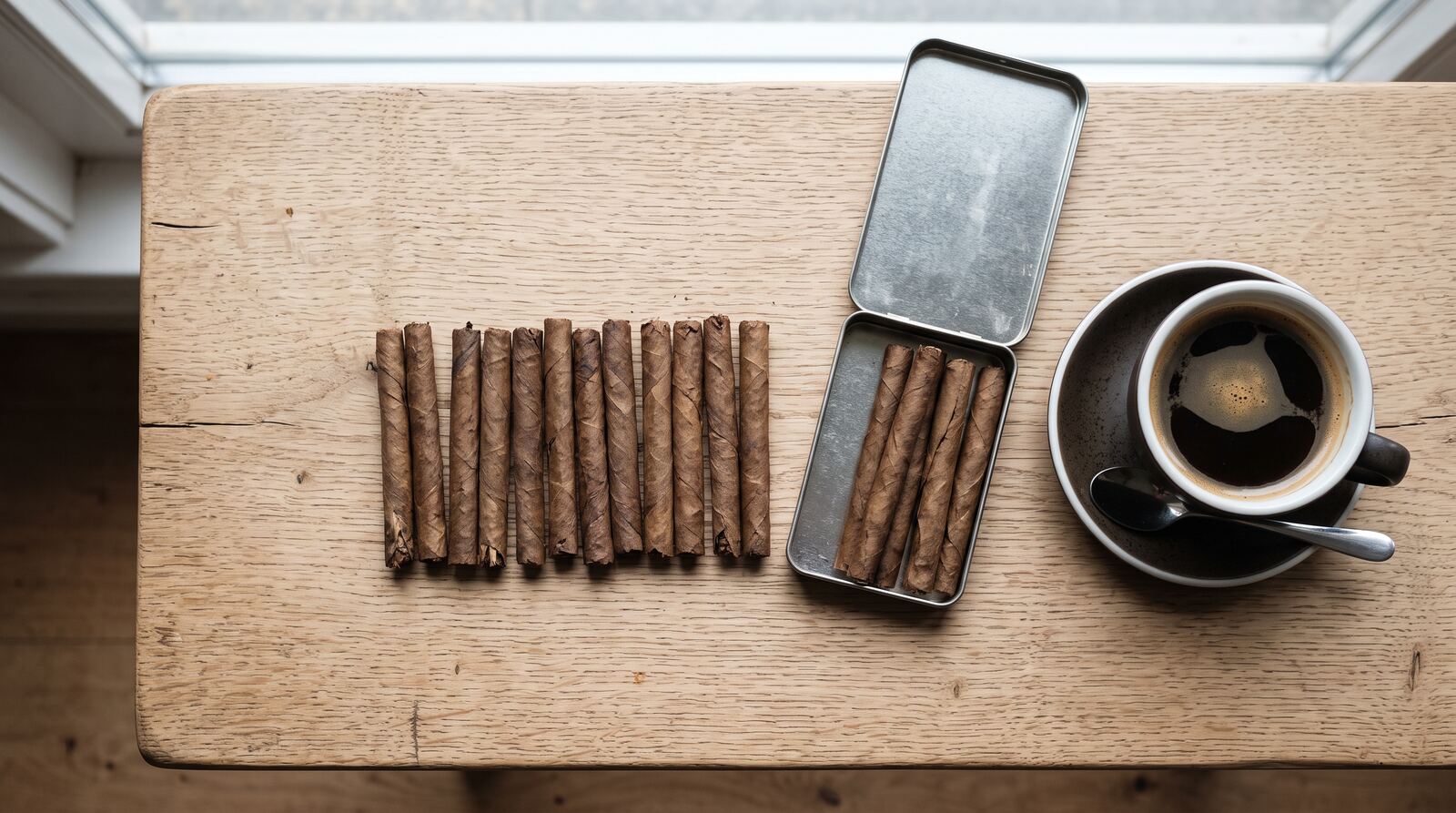
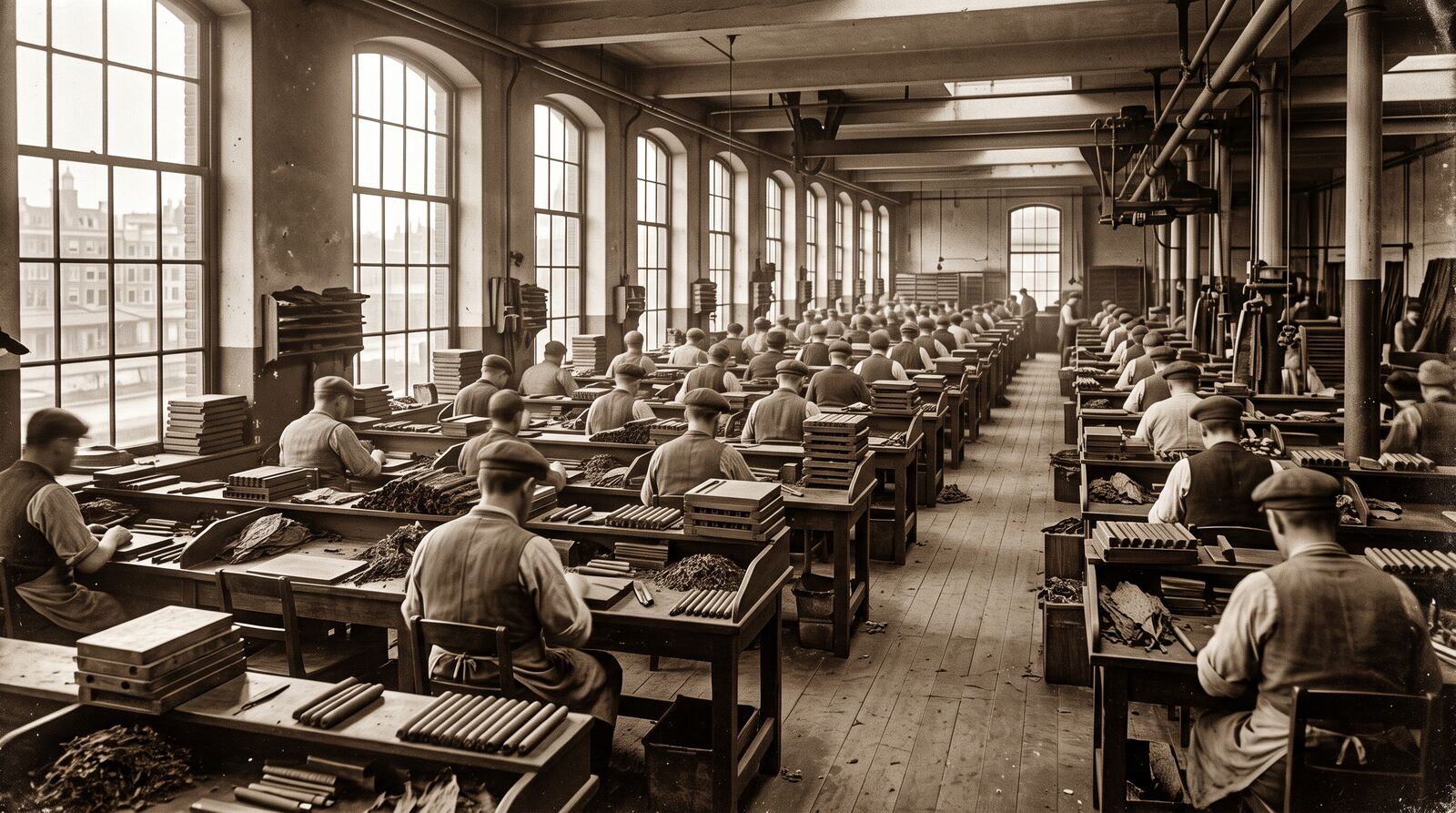
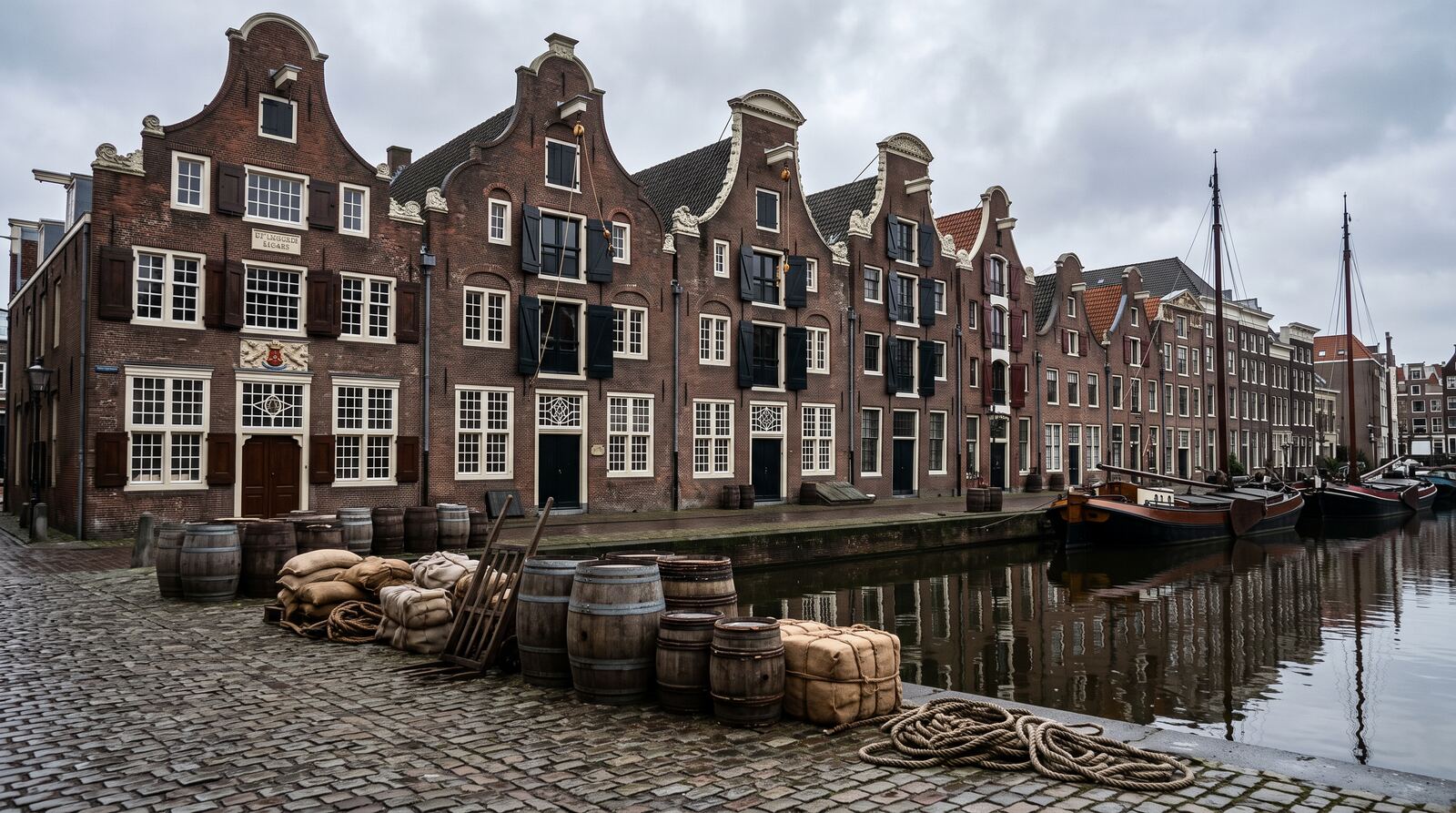
When European smokers talk about a Dutch cigar or Holland cigar, they mean a particular style rather than simply a cigar made in the Netherlands. The style took shape at the end of the 19th century and is still produced by Dutch and Belgian factories today.
Anatomy of a Dutch Cigar
| Part | Dutch term | Typical tobacco |
|---|---|---|
| Filler | Binnengoed | Chopped blend, often 20+ tobaccos: Brazil, Java, Sumatra, Havana-seed and others |
| Binder | Omblad | Java (Besuki or Vorstenlanden) |
| Wrapper | Dekblad | Thin Sumatra leaf, sometimes Connecticut, Cameroon or Brazilian |
Quick answer: A Dutch cigar combines chopped short filler from many tobaccos, a Java binder and a thin Sumatra wrapper. It is usually machine-made, sold dry and ready to smoke, and tastes mild, dry and gently sweet.
Short Filler vs. Long Filler
Premium Caribbean cigars use long filler: whole leaves running the full length of the cigar. Dutch cigars use short filler, tobacco cut into small pieces and blended. Short filler burns faster and is easier to produce by machine, and blending many tobaccos lets makers smooth out differences between harvests. For a full breakdown of cigar construction, see our sister site's guide to the parts of a cigar.
The Sumatra Wrapper
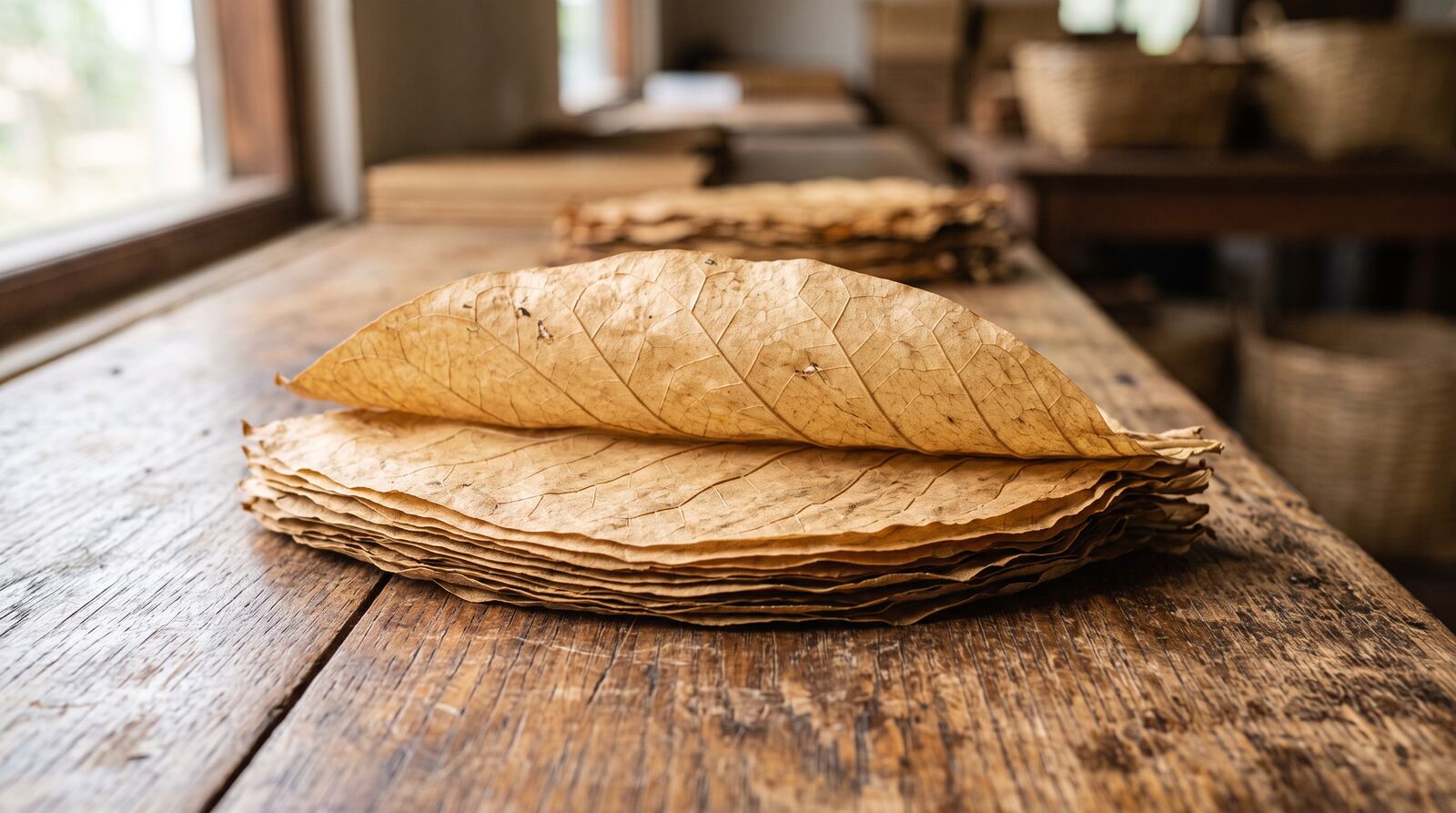
The thin, light-brown Sumatra wrapper is the signature of the Dutch style. Dutch planters grew wrapper tobacco on Sumatra, in today's Indonesia, from the 1860s, and its fine texture and even burn suited small cigars. Today "Sumatra" can also mean Sumatra-seed tobacco grown elsewhere, for example in Ecuador. Read more about cigar wrapper types.
Why Dutch Cigars Are Stored Dry
Long-filler cigars are kept in a humidor at roughly 65–70% humidity. Dutch short-filler cigars are made to be smoked dry and are usually sold in tins or boxes ready to smoke; no humidor is needed. Keep them away from heat and direct sun, and close the tin after opening.
Common Dutch Cigar Formats
- Cigarillos — small, thin cigars, often in tins of 10 or 20.
- Half coronas and small cigars — slightly larger short-filler cigars.
- Senoritas and panatellas — slim formats popular in Dutch and Belgian lines.
See how these compare with other small formats in our guide to little cigars vs. cigarillos.
How to Smoke a Dutch Cigar
- No cutting needed — most Dutch cigarillos come pre-cut with an open end.
- Light evenly — toast the foot gently with a soft flame or wooden match; see our sister site on cigar lighters.
- Puff slowly — short filler burns faster than long filler, so a relaxed pace keeps it cool.
- Expect 10–30 minutes — depending on size and how often you puff.
What Dutch Cigars Taste Like
Expect a mild to medium body, a dry draw and notes of hay, nuts, light spice and gentle sweetness, with a lighter aroma than most long-filler premium cigars. Because they are small and quick, Dutch cigarillos are often smoked with coffee. Meet the makers in Dutch cigar brands, and learn the story in Dutch cigar history.
Frequently Asked Questions
What is a Dutch cigar made of?
A short-filler blend of many tobaccos, a Java binder and a thin Sumatra wrapper.
Are Dutch cigars hand-rolled?
Most are machine-made, though some Dutch makers also produce hand-made cigars.
What is a Sumatra wrapper?
A thin, light-brown wrapper leaf originally grown on Sumatra in Indonesia and long favored by Dutch cigar makers.
Should Dutch cigars be kept in a humidor?
No. Dutch short-filler cigars are made to be stored and smoked dry; keep them sealed and away from heat.
What is the difference between short filler and long filler?
Short filler is chopped tobacco blended together; long filler uses whole leaves running the length of the cigar.