History
Dutch Cigar History: From the VOC to Sumatra and Brabant
The Dutch cigar industry grew from 17th-century tobacco trading, boomed in the late 1800s on Sumatra wrapper leaf, and centered on cigar towns in North Brabant.
Updated · Cigars Netherlands Editorial Team
Meet the Dutch Brands →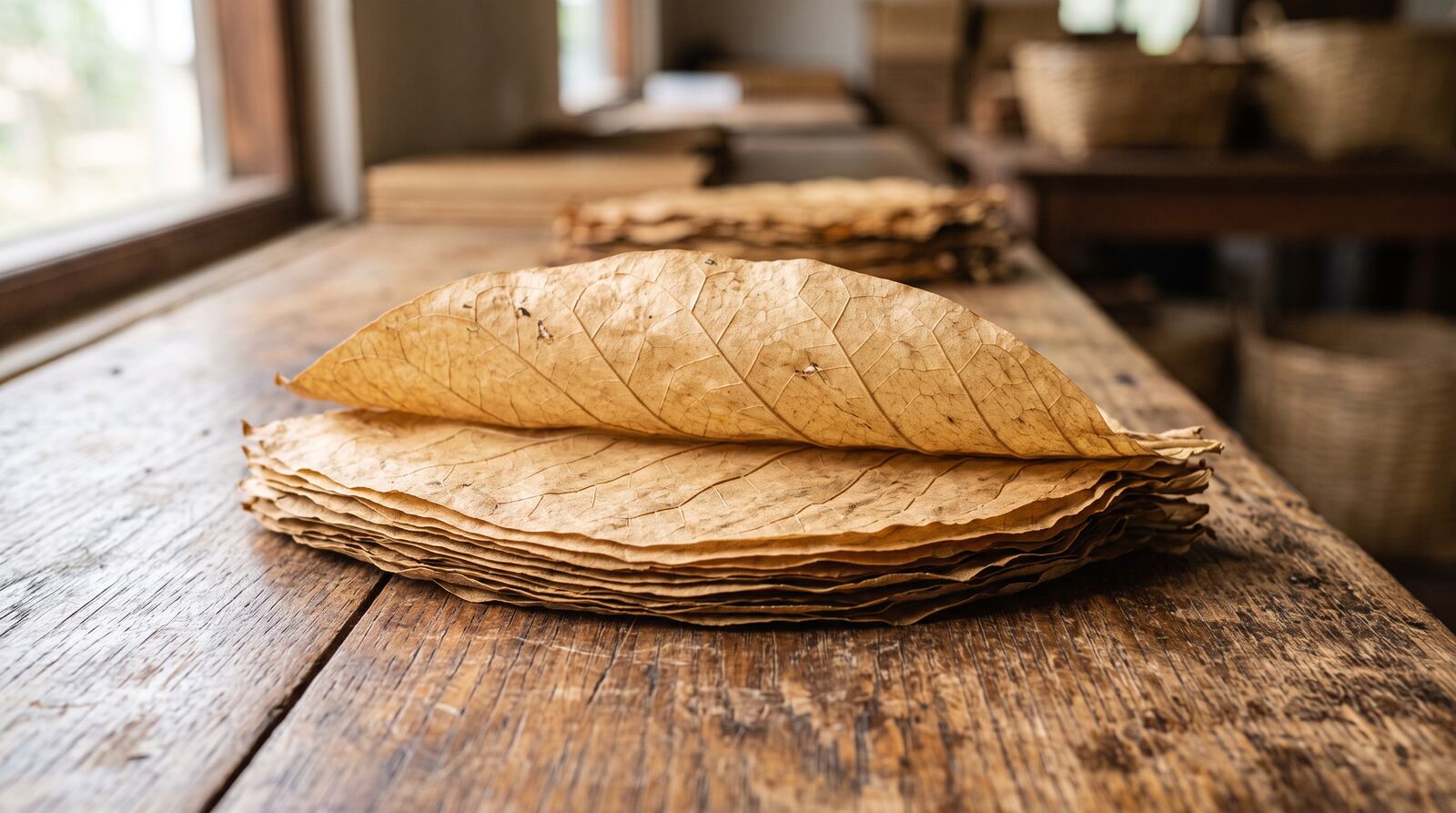
Few countries shaped the European cigar as much as the Netherlands. Dutch merchants traded tobacco for centuries, Dutch planters created the Sumatra wrapper, and towns in the south of the country rolled cigars for all of Europe.
Timeline of Dutch Cigar History
| Period | Milestone |
|---|---|
| 1600s | Amsterdam becomes a major tobacco trading and processing port; VOC trade links reach Java and Sumatra |
| 1794 | Justus van Maurik founded in Amsterdam |
| 1832 | De Olifant begins making cigars in Kampen |
| 1860s | Dutch planters start growing wrapper tobacco on Sumatra (Deli) |
| Late 1800s | The Dutch short-filler cigar style takes shape |
| 1904 | Wintermans family starts cigar making in Duizel (later Agio) |
| 1934 | Henri Wintermans founds his own company in Eersel |
| 1996 / 2022 | Scandinavian Tobacco Group acquires Henri Wintermans, then Royal Agio |
Quick answer: Dutch cigar history runs from Amsterdam's 17th-century tobacco trade through the Sumatra wrapper plantations of the 1860s to the large cigar factories of North Brabant, such as Agio and Henri Wintermans.
The Tobacco Trade
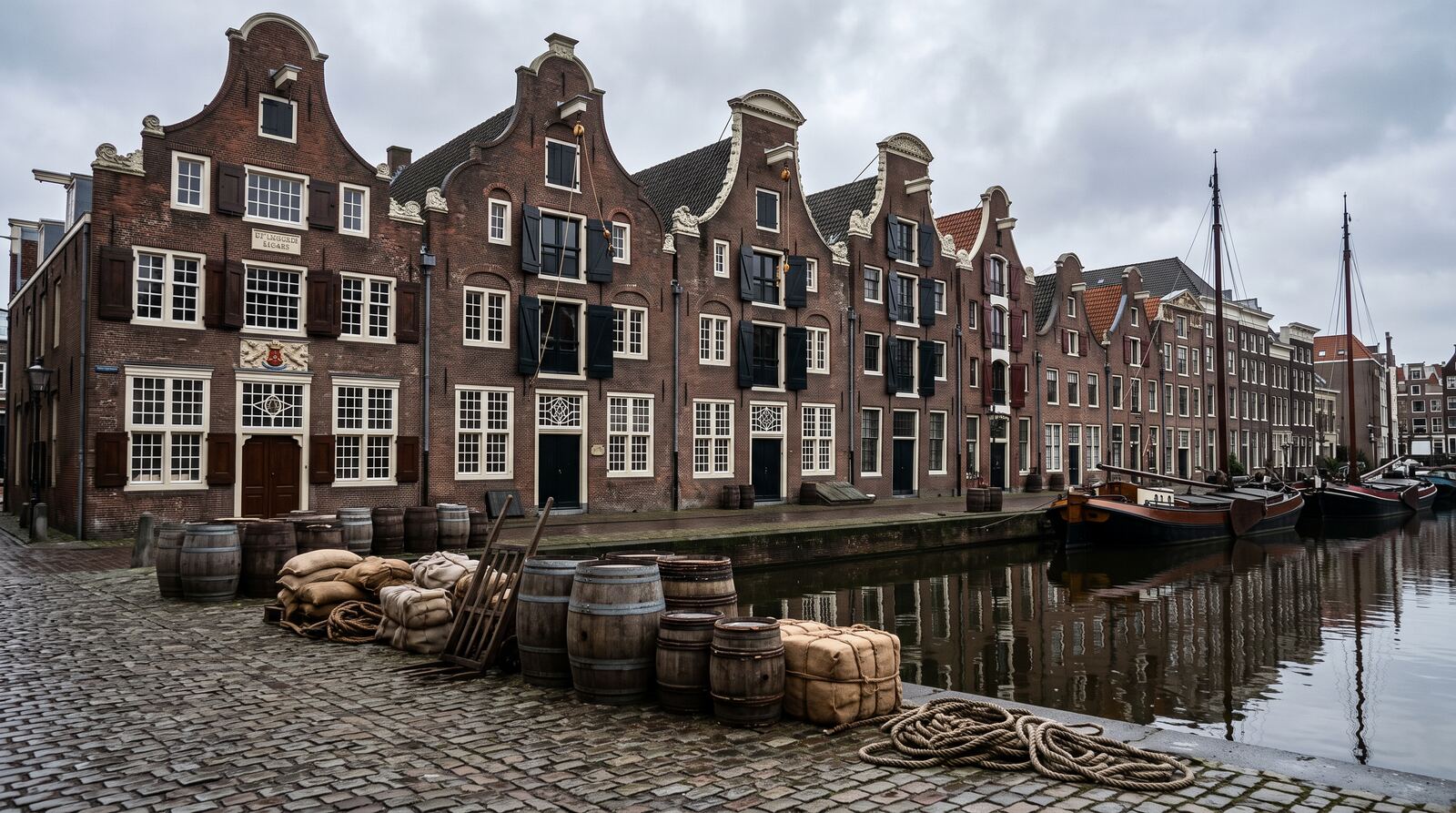
In the 1600s Amsterdam was one of Europe's great tobacco markets, importing, blending and re-exporting leaf. Dutch East India Company (VOC) trade routes connected the Netherlands with Java and Sumatra, laying the groundwork for an Indonesian tobacco industry. Read more on our sister site about Amsterdam's tobacco history.
Sumatra and the Deli Wrapper
From the 1860s, Dutch planters around Deli on Sumatra grew wrapper tobacco that became famous for its thin, elastic, even-burning leaf. Sumatra wrapper was sold at auction in Amsterdam and Rotterdam and was used by cigar makers across Europe and America. Our sister site covers Indonesian cigar tobacco.
North and South
Dutch cigar making was traditionally split between the Protestant north, with centers such as Kampen and Veenendaal, and the Catholic south, especially North Brabant. Towns around Eindhoven, including Valkenswaard, Eersel and Duizel, became known as cigar towns, and cigar making was a major employer there well into the 20th century.
Consolidation
After World War II, mechanization and changing habits reduced the number of factories. Big companies such as Agio and Henri Wintermans grew through exports, especially of cigarillos, and both eventually joined Scandinavian Tobacco Group. Meet them in Dutch cigar brands.
Life in the Cigar Towns
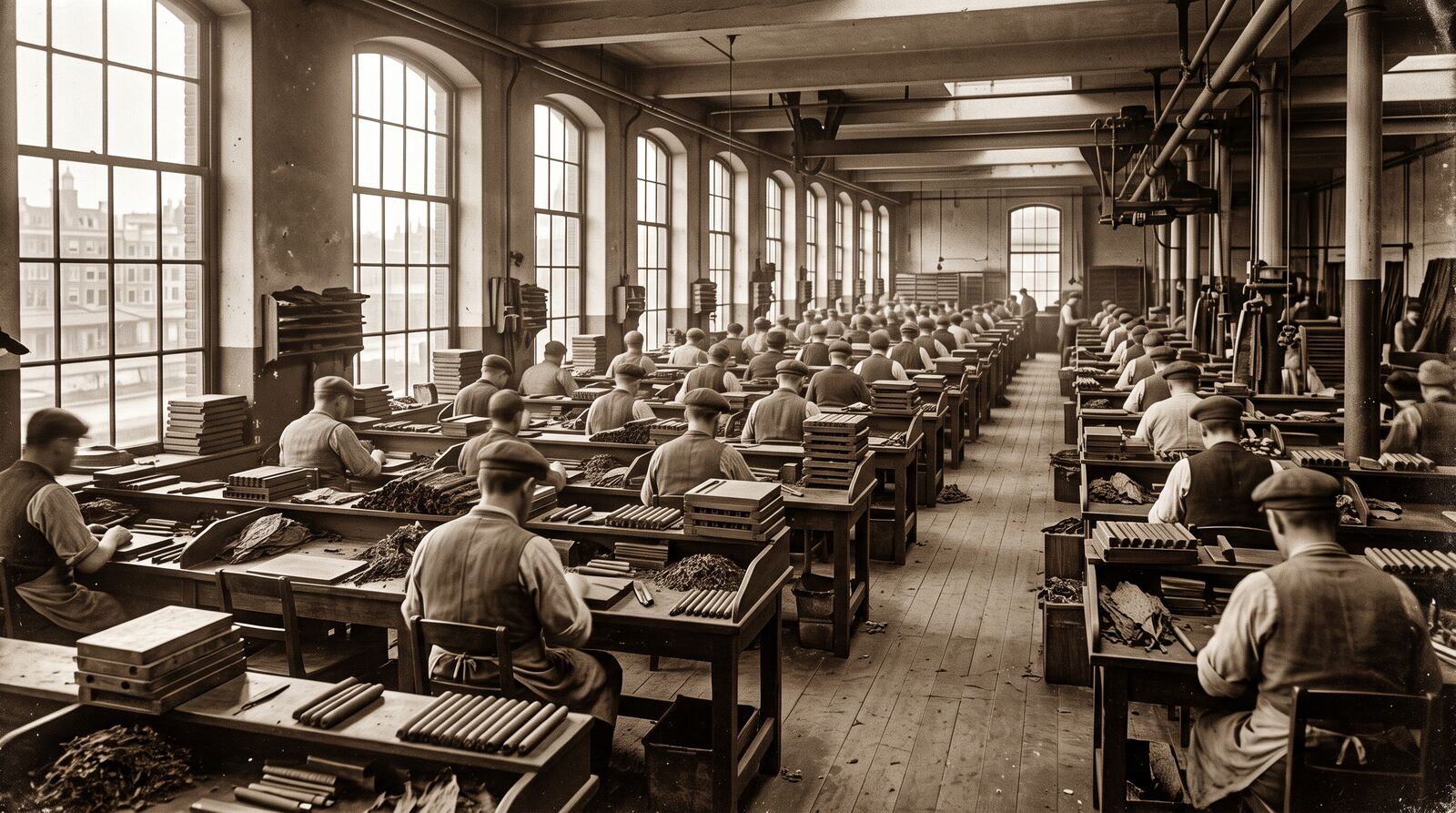
For much of the 19th and 20th centuries, cigar making was skilled hand work done in small workshops and family homes as well as factories. Workers sorted leaf, stripped stems, made bunches and applied wrappers by hand before machines took over. Cigar makers formed some of the earliest Dutch trade unions, and the industry shaped the economy and daily life of towns in North Brabant for generations. As machines spread after World War II, employment fell sharply, and many small factories closed or merged.
Where to See the History
Valkenswaard's Valkerij- en Sigarenmakerijmuseum (falconry and cigar-making museum) shows the town's cigar heritage. In Amsterdam, historic tobacconists keep the trade's traditions alive; see our guide to P.G.C. Hajenius. Learn the style itself in what is a Dutch cigar.
Frequently Asked Questions
When did the Dutch cigar industry start?
Dutch tobacco trading dates to the 1600s; the classic Dutch short-filler cigar took shape in the late 19th century.
Why is Sumatra important to Dutch cigars?
Dutch planters grew wrapper tobacco on Sumatra from the 1860s, and its thin leaf became the classic Dutch cigar wrapper.
Which Dutch towns were known for cigars?
Kampen and Veenendaal in the north, and Valkenswaard, Eersel and Duizel near Eindhoven in the south.
What was the VOC's role in tobacco?
VOC trade routes linked the Netherlands with Java and Sumatra, laying the base for the Indonesian tobacco industry.
Is there a cigar museum in the Netherlands?
Yes. Valkenswaard has a museum devoted to falconry and cigar making.